
Key Takeaways
- Scleral lenses are large, rigid lenses custom made for each eye.
- They rest on the white of the eye and vault over the cornea, with a fluid cushion in between.
- People with irregular corneas, keratoconus, chronic dry eye, or strong prescriptions may be good candidates.
- Fitting takes several visits, and lenses typically last one to two years.
- Daily care means saline, proper solutions, and never tap water.
Scleral Lenses Explained in Plain Language
You’ve tried contacts before, and after an hour they feel like sand under your eyelid. Or your glasses give you decent vision but never quite sharp vision. That frustration sends a lot of people to an eye doctor in Blackfoot looking for something different, and the team at Bluebird Vision + Wellness hears it often during contact lens exams and fittings.
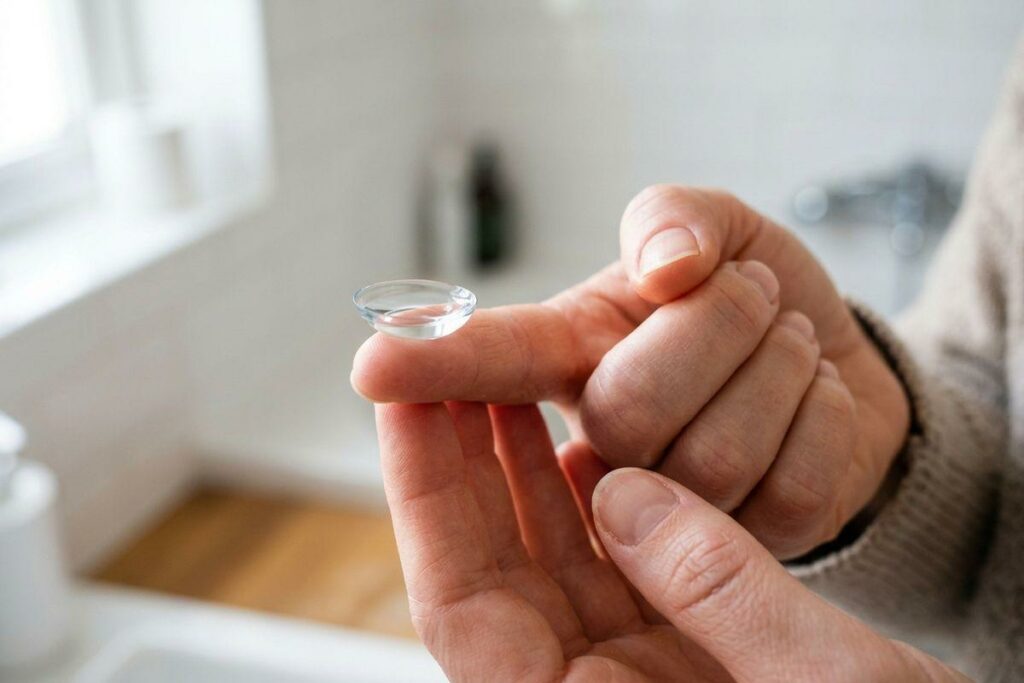
Scleral contact lenses are large rigid lenses, custom made for each eye, that rest on the white part of your eye and arch over the cornea, leaving a cushion of fluid between the lens and the surface of your eye.
That fluid layer is what sets them apart from the contacts you may already know. Instead of sitting directly on the sensitive front surface of your eye, the lens bridges over it.
How They Differ From Soft Contacts
Scleral lenses have a wider diameter and a dome shape. The material is firmer, and the lens touches your eye only at its outer edges, well away from the cornea. If you’re curious how this compares to other contact lens types, the differences come down to size, material, and how the lens sits.
Who Might Be a Good Fit for Scleral Lenses
If standard soft or rigid contacts have never worked for you, scleral lenses are worth asking about. They’re also fitted for people with irregular corneas, including those with keratoconus, and for strong prescriptions glasses can’t fully correct.
Signs Worth a Mention at Your Next Visit
Bring these up with an optometrist in Blackfoot, even if they seem minor to you.
- Blurry or double vision
- Halos and glare around lights, especially at night
- Ongoing dryness, burning, or a gritty feeling
Eye Conditions Often Helped
Scleral lenses are commonly used for chronic dry eye and ocular surface disease. They’re also fitted during healing after corneal surgery or an eye injury, when the surface of the eye needs gentler handling than a standard lens can offer.
Benefits and Trade-Offs to Weigh
These lenses stay put. Your eyelids hold the outer edges in place, so they don’t slide around when you blink, look up, or move through a busy day at work or on the field.
Many people who struggle with smaller rigid lenses find scleral lenses easier to wear for longer stretches. The trade-offs are real too. They cost more, the fitting takes several appointments, and many wearers need an adjustment period before insertion and removal feel routine.
Cost and Insurance Notes
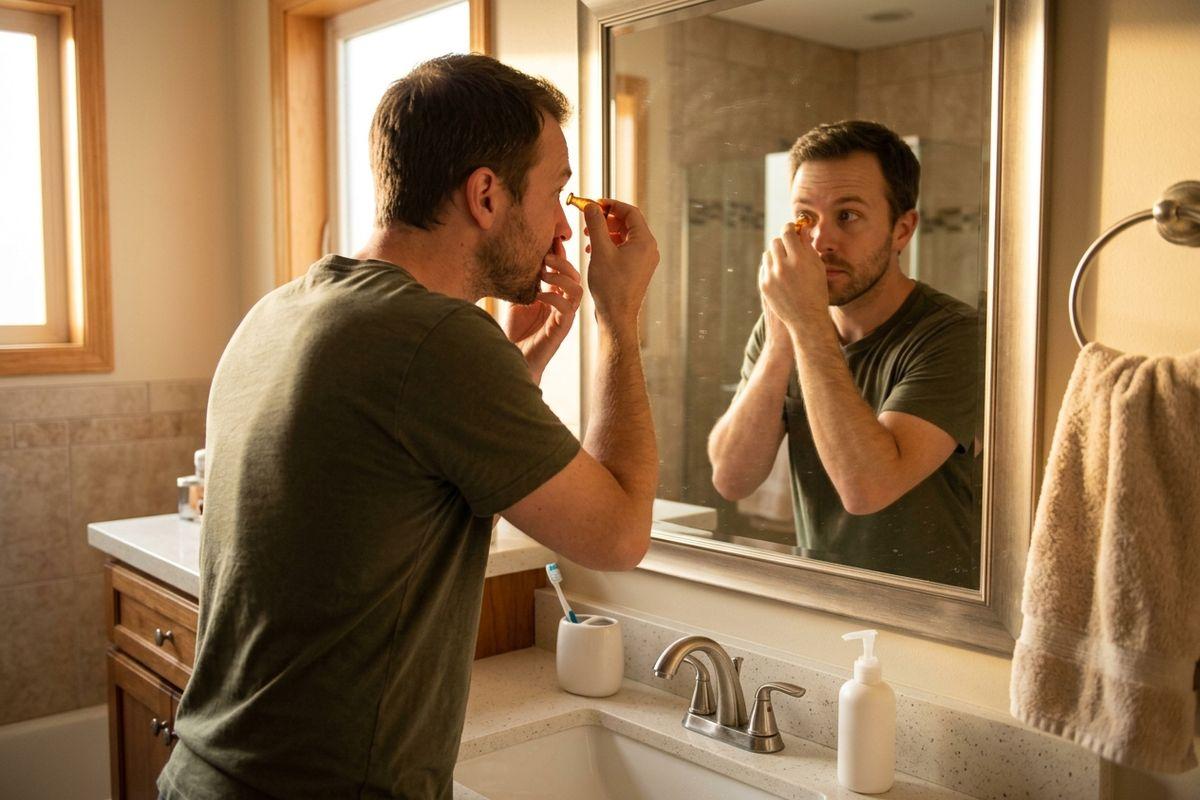
The fitting process is usually bundled into the overall price rather than billed visit by visit. Some vision plans help with the cost, and an FSA or HSA may apply. Your fitting is backed by our Contact Lens Success Program, which includes up to 8 weeks of follow-up visits at no additional charge once you purchase your lenses with us.
What the Fitting Process Looks Like
Getting scleral lenses isn’t a one-visit errand, and that’s on purpose. Every eye has its own shape, so the measurements have to match yours.
- An eye health exam plus detailed measurements of your eye’s surface
- Trial lenses worn in the office to set your starting specifications
- Adjustments based on how the trial lenses sit, then your custom lenses are ordered
Follow-Up Visits and Lens Lifespan
Progress checks let the doctor see how your eyes respond over time, which supports your long-term eye health. Scleral lenses typically last one to two years before they need replacing, and you can reorder your contact lenses once your prescription is current.
Daily Wear and Lens Care Tips
The routine feels awkward the first week and automatic by the third. You fill the bowl of the lens with saline before placing it on your eye, and a small suction plunger tool makes removal simple at the end of the day.
Never use tap water or saliva on your lenses. Stick with the solutions the team recommends, and follow the same contact lens care habits that help lower your risk of infection.
Common Questions From New Wearers
Wear time builds up gradually, so plan on a few hours a day at first rather than sunup to sundown. Removing and rinsing your lenses midday is normal for some wearers, and it doesn’t mean anything is wrong. Tearing up at a movie or in the wind isn’t likely to dislodge them. Keep an eye on expiration dates on your lenses too.
Take the Next Step Toward Clearer, More Comfortable Vision
If contacts have never felt right, or if your vision stays blurry no matter which glasses you try, scleral lenses may be worth exploring. The team at Bluebird Vision + Wellness fits scleral lenses for adults and kids and can tell you whether you’re a candidate after a full exam.
Book your scleral lens consultation with Bluebird Vision + Wellness in Blackfoot today, and bring your questions along.