
Key Takeaways
- Myopia, or nearsightedness, makes objects in the distance appear blurry while close-up ones stay clear.
- It often starts between ages 6 and 14 and can progress while the eyes grow.
- Many people notice their prescription steadies in their late teens or early 20s, but changes can happen beyond that.
- Stable vision is not the same as improved vision.
- Presbyopia, which is a common age-related vision change, can make distance vision seem sharper for a while.
- Myopia control for kids aims to slow progression, not undo nearsightedness.
If you or your child has myopia, you’ve likely encountered a few myths here and there about the common vision problem. One of the most common myths we hear at Bluebird Vision + Wellness is that nearsightedness fades as you get older, and we’re here to set the record straight.
Myopia doesn’t improve with age, though its progression often becomes more stable in adulthood. Sometimes, certain vision changes after 40 can make your distance vision seem sharper than it is, but this is temporary and doesn’t mean the underlying cause of myopia has faded.
What Myopia Means for Your Vision
Myopia, commonly called nearsightedness, most often happens when the eyeball grows too long from front to back. This causes light to land just in front of the retina (at the back of the eye) instead of directly on it, which causes distance vision to appear blurry. If you’ve ever wondered how it compares to farsightedness, the difference between myopia and hyperopia comes down to where light lands inside the eye.
This is why myopia cannot improve with age. Once your eyes grow too long, nothing can undo that. That’s why myopia management matters for slowing myopia progression.
Signs to Watch For
Kids rarely announce blurry vision because they assume everyone sees the same way they do. If you notice any of the following signs in yourself or a loved one, it may be time for an eye exam:
- Needing to squint at street signs, screens, or the board at school in order to see
- Experiencing headaches or tired, achy eyes after looking at objects in the distance
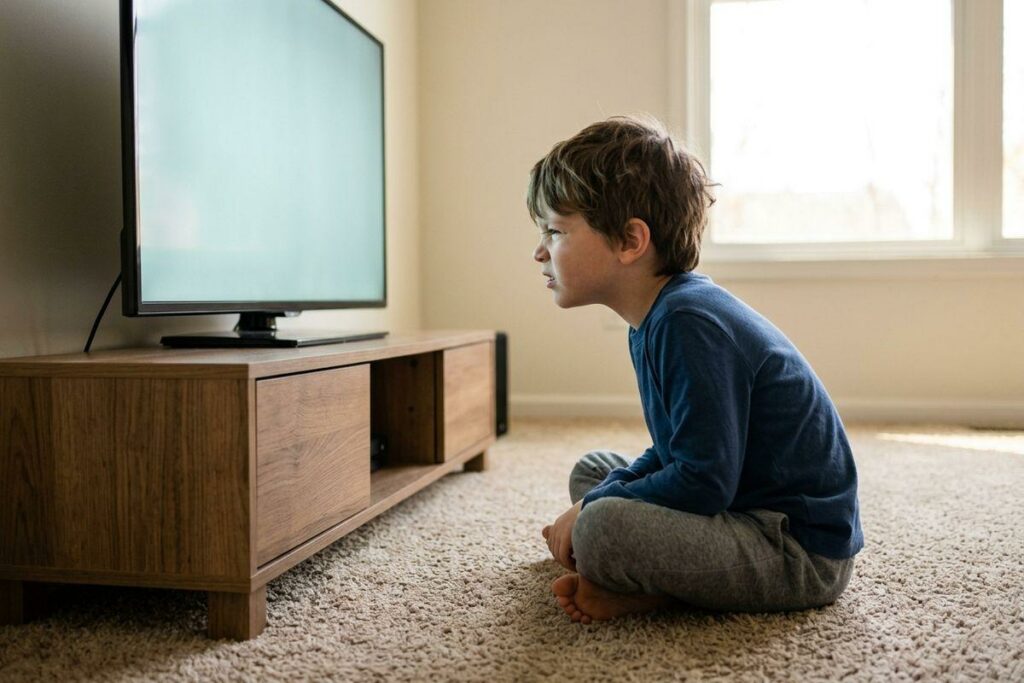
- Needing to sit very close to the TV in order to see
Family Vision History and Other Influences
Nearsightedness often runs in families, so if both parents wear glasses for distance, mention it at your child’s appointment. The balance between screen time and outdoor time matters too. Health conditions such as diabetes can affect vision, which is another reason your eye doctor will review the whole picture at each eye exam.
How Myopia Changes Through Each Stage of Life
Myopia often begins between ages 6 and 14, when eyes are still actively growing. Prescriptions can shift during those years, which is why glasses that worked in the fall might feel weak by spring.
Children who become nearsighted earlier may end up with higher prescriptions later on, though every child is different. That pattern is one reason an eye doctor in Blackfoot pays close attention to how quickly a young prescription changes during children’s eye exams.
When Myopia Tends to Stabilize
Many people find their prescription changes slow or stabilize in their late teens or early 20s as eye growth slows.
Steady is good news. But a stable prescription means the blur has stopped progressing, not that it has gone away. If you take off your glasses, distance objects will look as blurry as they did before.
Why Your Distance Vision After 40 Might Seem Improved
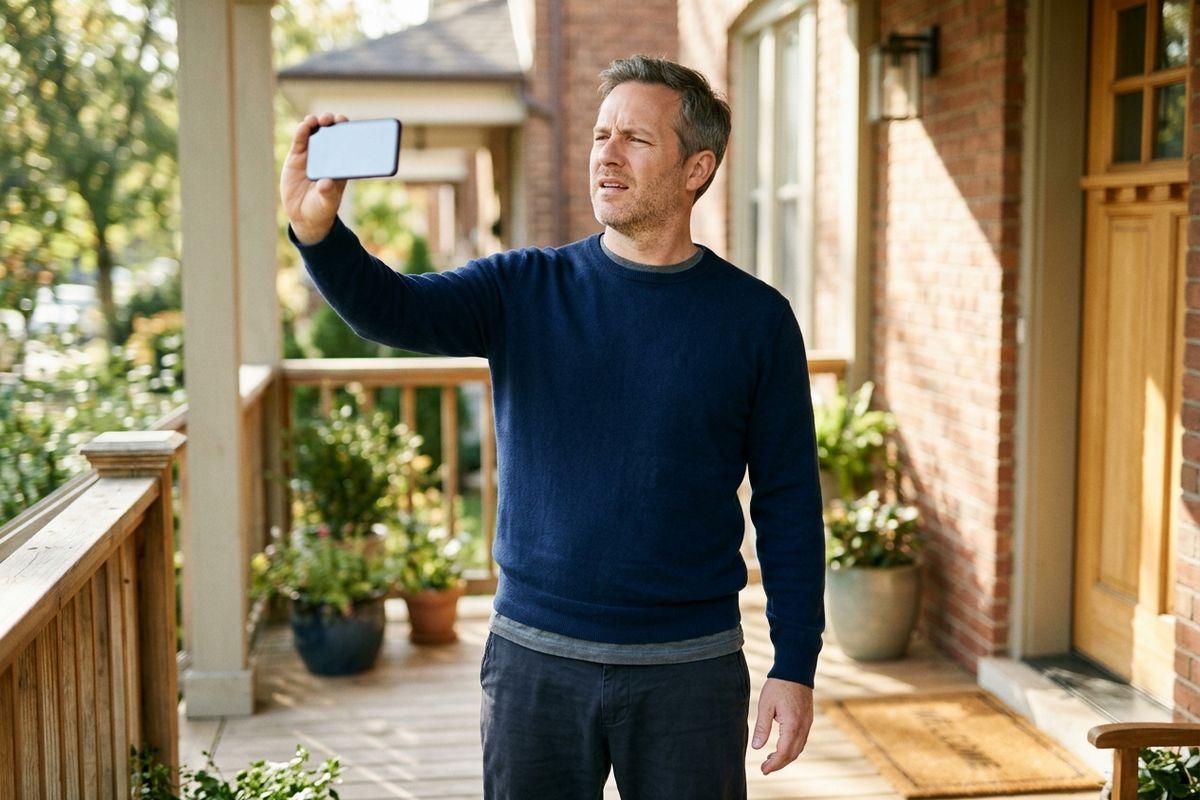
Some adults feel that their nearsightedness is fading. But the shape of your eyeball is the same. Instead, what’s usually happening is a change in how you notice focus.
Presbyopia is an extremely common age-related vision change that makes it harder to see nearby objects. Maybe you’ve needed to hold your phone or a menu at arm’s distance to see: That’s presbyopia. Presbyopia can change how people experience their myopia, especially up close, but it doesn’t mean distance vision has actually improved.
Changes in the eye’s lens, including those associated with cataracts, can also change your prescription. An eye exam can help determine what’s behind a change in your vision.
Why Myopia Control Matters for Kids
Myopia control doesn’t undo nearsightedness. Myopia control slows myopia progression, which may help limit how much a child’s prescription increases as their eyes grow.
This is important because high myopia (a very strong prescription) raises the risk of eye disease later in life, so acting early can support your child’s vision for decades. Myopia management options an optometrist in Blackfoot may discuss include:
- Myopia control contact lenses, including orthokeratology, known as ortho-k
- Low-dose atropine eye drops
- Myopia control glasses or multifocal glasses
Book Your Family’s Eye Exams
Whether it’s been a while since your last exam or you have more questions about myopia control, we’d love to see you. Book an eye exam with our team at Bluebird Vision + Wellness and get clear answers about your family’s vision, whatever your age.