
Key Takeaways
- Orthokeratology, or ortho-k, lenses are worn overnight and removed in the morning.
- National pricing runs from about $1,120 to $4,158, with Idaho sitting near the middle.
- Lens type, prescription, and fitting time can all affect the price.
- Many insurance plans treat ortho-k as elective, though partial coverage is possible.
- Lenses often last 1 to 2 years, which brings yearly costs closer to daily disposables.
- An eye exam can show whether ortho-k suits your child or you.
Your child comes home from soccer practice with a scratched lens, a bent frame, or a contact lost somewhere in the grass. Again. You start wondering if there’s a way for them to see clearly all day without anything sitting on their eyes, and families often ask our team at Bluebird Vision + Wellness about lenses they’d wear only at night.
Ortho-k lenses in the United States generally cost between $1,120 and $4,158, and that price usually covers the lenses along with the fitting visits needed to get them right.
What Are Ortho-K Lenses?
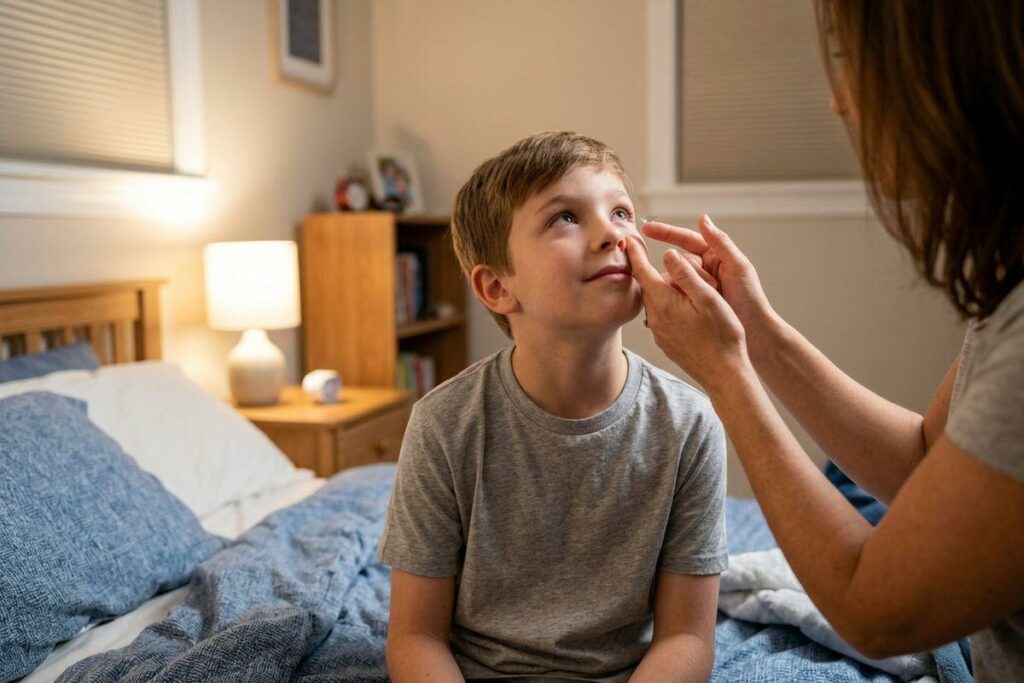
Ortho-k lenses are custom-made lenses you put in before bed and take out when you wake up. No case in a backpack, no midday fumbling in a school bathroom.
They’re often used for slowing the progression of nearsightedness, or myopia, in kids and teens, which is why so many parents ask about them.
Adults can consider them too, especially if you play contact sports, work in dusty conditions, or prefer a non-surgical option.
Average Ortho-K Cost in the U.S.
The national range spans roughly $1,120 to $4,158. That’s a wide gap, and where you land depends on the lens design and the care that goes with it. Idaho averages tend to sit near the middle of that range.
Keep in mind the quoted number typically bundles the lenses with the fitting appointments, so you’re not paying twice for the same process.
Cost by Lens Type
Different lens designs carry different price points. Here’s how 3 common options compare on average:
- Euclid Emerald lenses average around $1,456.
- Corneal refractive therapy lenses average around $1,554.
- Vision shaping treatment lenses average around $2,286.
What Makes the Price Go Up or Down
Your prescription matters. The type and degree of nearsightedness you have shapes how the lenses are designed, and more complex designs cost more.
Location and practice type play a role too, along with how much chair time your eye doctor spends dialling in the fit. If your eyes need more than one set of lenses or extra follow-up appointments to get comfortable, that shows up in the total.
Why Fittings Cost More Than Regular Contacts
Before any lens gets made, your eye doctor maps the surface of your cornea, and that map guides the design.
Then come trial fits and progress checks spread over several weeks. It’s a longer process than picking up a box of soft contacts, and the price reflects that hands-on time.
Insurance, Payment Options, and Long-Term Value
Vision plans usually treat ortho-k as elective, so full coverage is uncommon. Partial coverage does happen, and it’s worth calling your plan to ask what applies before you assume the answer.
Here’s the part that surprises people. Ortho-k lenses often last 1 to 2 years, so when you spread the cost across that time, the yearly total compares closely to what you’d spend on daily disposables.

Ongoing Costs to Plan For
Beyond the lenses themselves, a few smaller expenses come up year after year:
- Lens solutions and cleaning supplies.
- Replacement lenses when the current pair reaches the end of its life.
- Annual checkups to monitor how your eyes are responding.
Common Questions Before You Book
Wear time is the first question many families ask. Ortho-k lenses are typically worn about 6 to 8 hours each night, which lines up with a normal sleep schedule for many kids.
The second question is what happens if you stop. Nearsightedness gradually returns once you stop wearing the lenses, so ortho-k works as an ongoing routine rather than a one-time fix.
A few potential drawbacks are worth weighing before you commit. You may experience:
- Dryness, especially in the first weeks of wear.
- Glare or halos around lights at night.
- Higher infection risk if the lenses aren’t cleaned properly.
- The need for steady hygiene habits, which can take practice for younger kids.
How to Find Out If Ortho-K Fits Your Family
An eye exam with an optometrist in Blackfoot is the starting point. Corneal shape, prescription strength, and eye health all factor into whether ortho-k is a reasonable option for you or your child.
Bring your questions to that appointment. Ask what the quoted price includes, how many follow-up visits are built in, what replacement lenses cost, and how your vision plan might apply.
Talk Through the Numbers with Us
Cost is only part of the picture. The right fit depends on your eyes, your schedule, and what your family needs day to day.
Book an appointment with Bluebird Vision + Wellness for eye care in Blackfoot, and get clear answers about ortho-k pricing before you decide.