
Key Takeaways
- Myopia, or nearsightedness, makes distance blurry while close-up objects stay clear.
- For some children, prescriptions can change year after year while they’re growing.
- Squinting, sitting close to screens, and tired eyes after school are worth noting.
- Spending time outdoors has been associated with a lower risk of developing myopia.
- Our myopia management options include MiSight 1-day lenses, orthokeratology, also called Ortho-K, and low-dose atropine drops.
- Annual eye exams help track changes during the school years.
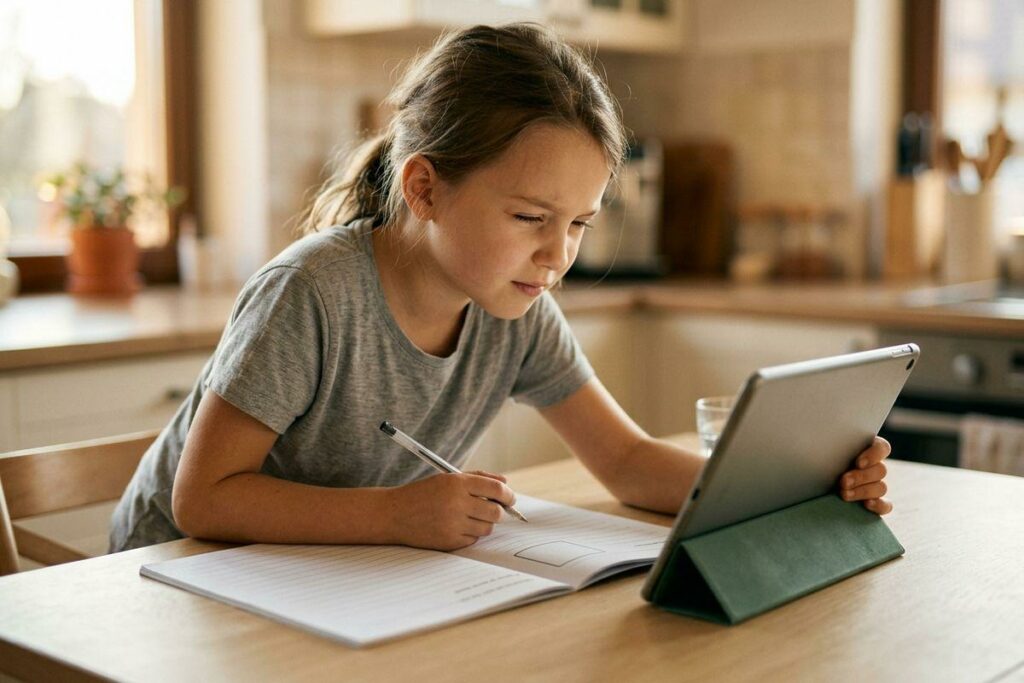
Your child sets up at the kitchen table with a tablet, a worksheet, and a library book. Only a few hours later, they’re rubbing their eyes and asking if the homework is done yet. Many parents come to Bluebird Vision + Wellness with concerns about their child’s vision, and we’re here to help talk about myopia, its risk factors, and what parents should know.
Myopia usually happens when your child’s eyes grow too long from front to back while they’re still growing, and an eye doctor in Blackfoot can discuss options to slow how quickly their myopia progresses.
What Myopia Means for Your Child’s Vision
Myopia, also called nearsightedness, most often happens when the eye grows too long from front to back. This causes light to land in front of the retina (at the back of the eye) instead of directly on it, which causes distant objects to appear blurry while close-up ones stay clear.
If your child has myopia, they’ll likely be able to read a book on their lap without trouble, but the whiteboard across the classroom looks blurry for them.
Why Prescriptions Change Year After Year
During the school years, your child is growing rapidly. The eye is also growing during that time, which is tied to how myopia develops. For some children, this can mean that glasses that worked in the fall may not feel right by spring.
Family history plays a role in your child’s risk for developing myopia. If you or your partner grew up nearsighted, your child may be myopic, too. Habits can also factor in. Long stretches of close-up work without breaks have been associated with a higher risk of developing myopia.
Time spent outdoors has been associated with a lower risk of myopia development in children. While researchers are still studying the exact mechanism, time outside seems to give your child’s eyes a chance to look far away, whether that’s across a field, a park, or the yard after school. Natural sunlight may also play a role.
Signs of Myopia Parents Should Know About
You may spot the clues before your child mentions anything about blurry vision. Here are changes worth watching for at home or in the classroom:
- Squinting at the TV or the classroom board
- Sitting very close to screens or holding books near the face
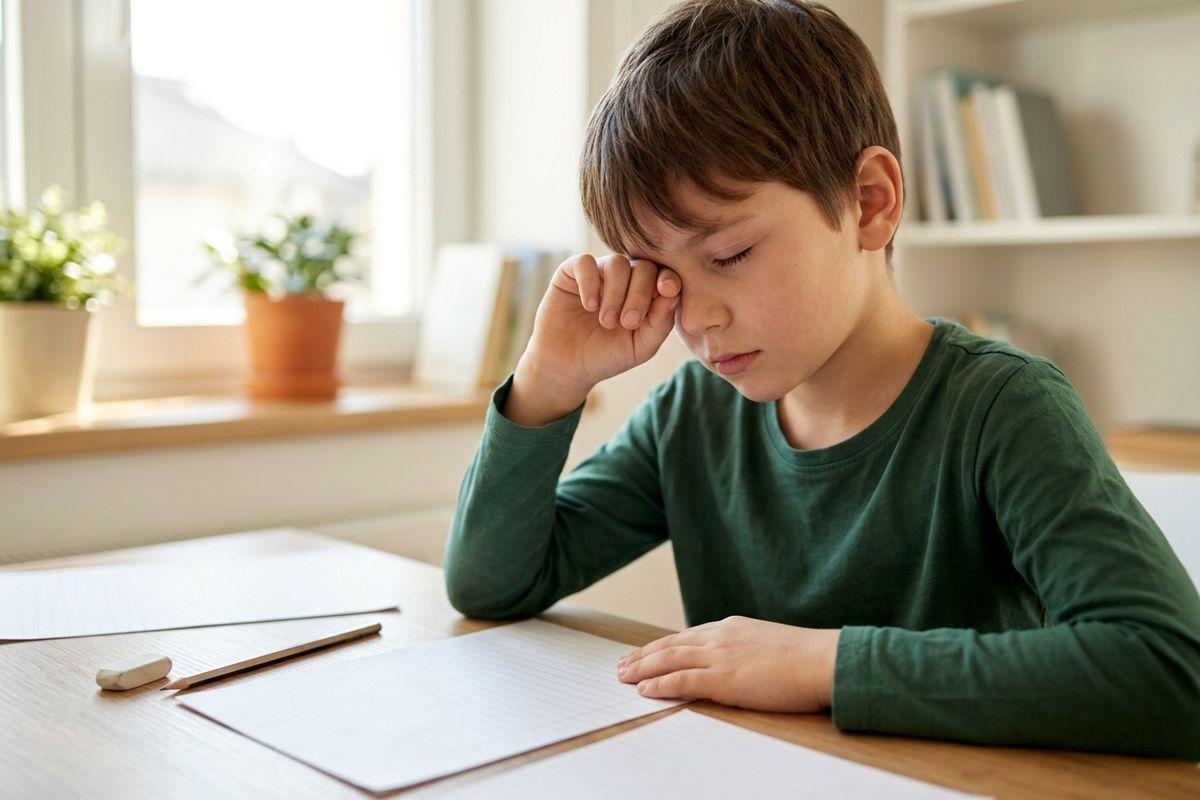
- Headaches or tired eyes after a school day
If any of these signs sound familiar, consider booking an eye exam in Blackfoot.
Why Kids Rarely Mention Blurry Vision
Children assume everyone sees the world the way they do, so blurry distance vision often feels normal to them. School vision checks can be a good starting point, but they may miss issues that go beyond your child’s prescription. That’s why a children’s eye exam is an important part of your family’s health routine.
Myopia Management
Goal of Myopia Management
The goal of myopia control is to slow progression, not to undo the nearsightedness your child already has. At Bluebird Vision + Wellness, our eye care team will tailor a myopia plan to your child’s age, prescription, and daily routine. Every family’s needs and lifestyle are different, so understanding the full picture helps us recommend what suits your child.
Options Worth Discussing
During an exam, your eye doctor may talk through a few myopia management approaches based on what fits your child. These are the options commonly discussed:
- MiSight 1-day contact lenses designed for children
- Ortho-k lenses, which are worn overnight and removed in the morning
- Low-dose atropine drops on an eye doctor-guided schedule
When to Start and How Progress Is Measured
Every child is different, and your eye doctor in Blackfoot can discuss when the right time to start myopia management could be for your child. Starting earlier, while the eyes are still growing, may give the plan more time to help.
We can monitor progress with regular follow-up visits, which help your eye doctor track changes and adjust if needed as your child grows.
Home Habits and Eye Care in Blackfoot for the School Year
The 20-20-20 guideline for digital eye strain gives homework sessions a built-in pause. Every 20 minutes, your child looks at something about 20 feet away for 20 seconds. Good lighting, a comfortable desk setup, and upright posture help too, and a yearly exam with your optometrist in Blackfoot keeps their prescription up to date.
Common Parent Questions
- Does myopia get better on its own? Myopia doesn’t get better on its own, so management is important for slowing progression.
- Is my child ready for contact lenses? Readiness for contacts depends less on age and more on whether your child can handle the daily routine, which is something our eye doctor can help you decide during a contact lens fitting.
- Does every nearsighted child need a management plan? Every child is different. An eye exam and how much their prescription is changing can help guide that conversation.
Schedule Your Child’s Visit
A short appointment now can help keep their vision clear and comfortable all school year long. Our team at Bluebird Vision + Wellness can check your child’s vision, discuss myopia management options if needed, and answer any questions you may have. Book an eye exam today.