
Key Takeaways
- An eye exam can reveal early signs of glaucoma, cataracts, macular degeneration, and more.
- Changes in the blood vessels of your eyes may point to diabetes, high blood pressure, or high cholesterol.
- Some cancers show up as unusual growths or pigmentation on the eyelid or eye surface.
- New floaters, flashes, or sudden vision changes are worth an appointment.
- Yearly exams help your eye doctor track changes over time for every age group.
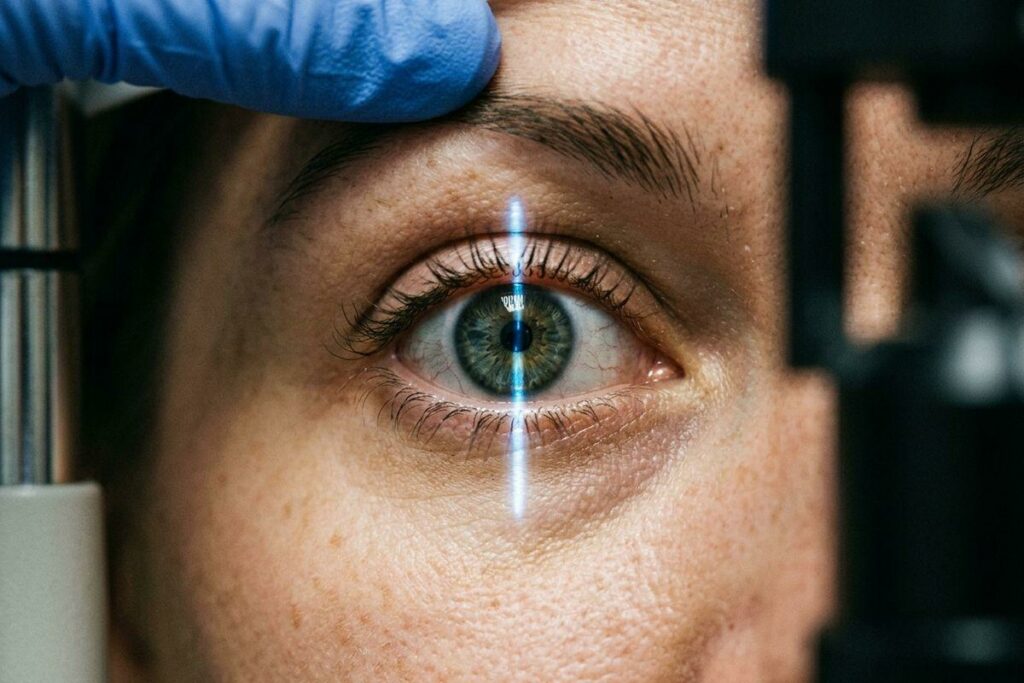
You sit down, rest your chin on the little support, and a soft light shines into your eye. It feels routine. Meanwhile, the eye doctor is looking at blood vessels and nerve tissue that tell a story about far more than your prescription.
An eye exam can help detect eye diseases like glaucoma, cataracts, and macular degeneration, along with body-wide conditions such as diabetes, high blood pressure, high cholesterol, and certain cancers. That’s a lot of information from one visit, and it’s a big reason eye care in Blackfoot matters for the whole family. Bluebird Vision + Wellness builds each visit around that bigger picture, and a comprehensive eye exam is where it starts.
Why Your Eyes Reveal So Much About Your Health
Your eyes are one of the few places where blood vessels and nerve tissue can be seen directly, no surgery or incision needed. A light and a lens are enough to give your eye doctor a clear view.
Early clues often show up there before you feel anything at all. You may still see fine, read fine, and drive fine while small changes are already visible inside your eyes. Checking on them supports your whole-body health, not just your vision.
Eye Conditions an Eye Doctor Can Spot Early
Glaucoma
Glaucoma often arrives without warning signs. Your eye doctor measures your eye pressure and checks your side vision for blind spots, since changes there can go unnoticed for a long time. If glaucoma runs in your family, that history shapes how closely your eye doctor monitors your eyes.
Cataracts
Cataracts show up as cloudy or yellowed areas in the lens of your eye. You might notice blurry vision or strong glare from headlights at night, especially on those dark stretches of road outside town.
Macular Degeneration
Macular degeneration affects your central vision while your side vision usually stays intact. During an exam, your eye doctor can look for deposits or swelling under the retina, sometimes before you notice a difference in reading or recognizing faces. Knowing the early warning signs of macular degeneration helps you bring up changes sooner.
Body-Wide Conditions an Eye Exam May Detect
Diabetes and Diabetic Retinopathy
Leaking or swollen blood vessels in the retina are a sign of diabetic retinopathy. Some people learn about diabetes for the first time at an eye exam, often before any other testing points to it.
High Blood Pressure and High Cholesterol
High blood pressure can leave its mark as unusual vessel shapes or tiny spots of bleeding in the retina. High cholesterol sometimes appears as a yellow or blue ring around the cornea, the clear front surface of your eye.
Heart Disease and Stroke Risk
Your eye doctor can see reduced blood flow to the retina, along with plaque deposits or clots in the eye’s small arteries. In some cases, a loss of peripheral (side) vision points to a stroke that happened in the past.
Cancers and Other Serious Conditions Linked to Eye Findings
Not every finding involves vision. Skin cancers can develop on the eyelid or the surface of the eye, and signs of leukemia, lymphoma, or breast cancer sometimes appear during an exam. Unusual pigmentation or a new growth may be the first thing anyone notices.
Signs Worth an Appointment
Some changes deserve a closer look rather than a wait-and-see approach. Here are signs worth booking a visit for:
- New floaters or flashes of light in your vision.
- Sudden vision changes, or a shadow or curtain across your view.
- An eyelid bump or spot that changes in size, shape, or color.
How Often You Need an Eye Exam
Many adults benefit from a yearly exam, but your eye doctor may recommend visits more often based on your health history. Children benefit from exams before they start school and throughout their school years, when so much learning depends on clear, comfortable vision.
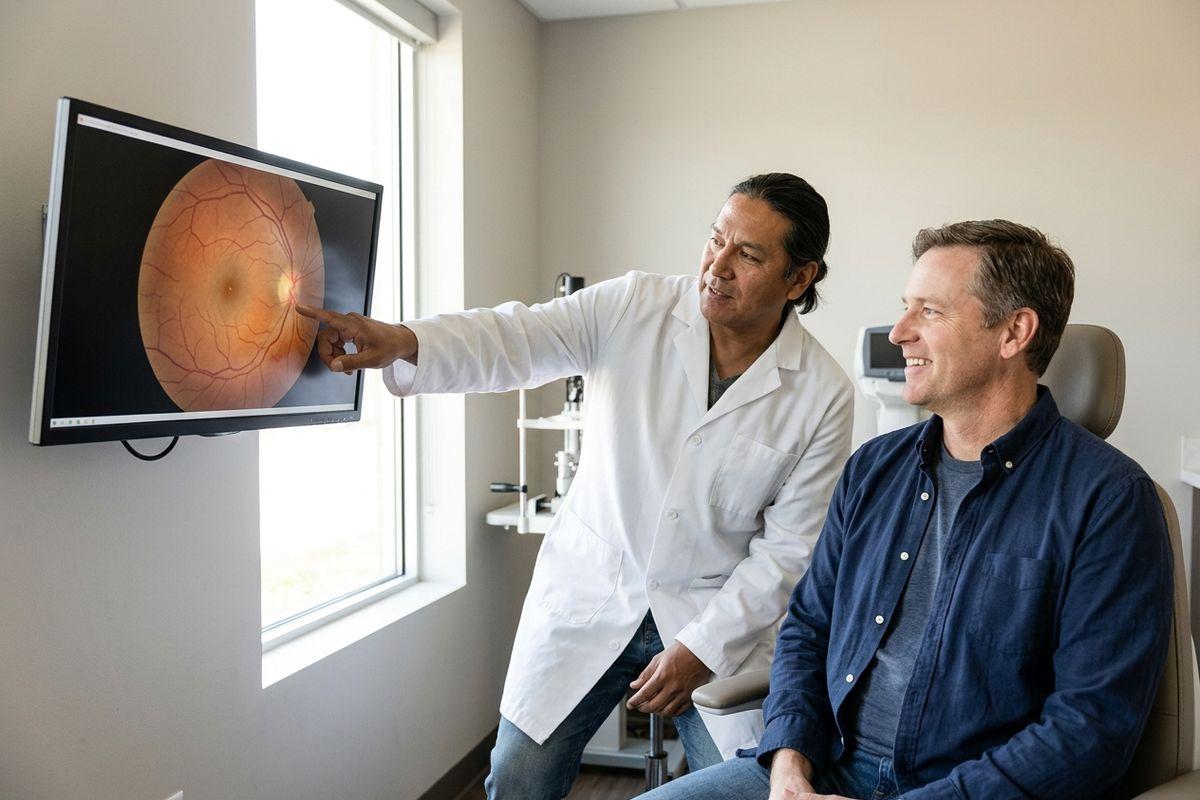
Dilated exams give your eye doctor a wide view of the retina, which is where many of these early clues live. If you have a family history of eye diseases, your eye doctor may recommend a dilated exam.
What to Expect at Your Visit
Your appointment includes a vision check, an eye pressure measurement, and retinal imaging. Our team reviews your family history and any health updates, since those details shape what your eye doctor watches for.
There’s also time to ask questions. If you’ve noticed glare at night or your child squints at the whiteboard, mention it to your optometrist during the visit.
Book Your Family’s Next Eye Exam
One appointment can tell you a great deal about your eyes and your health. Our team at Bluebird Vision + Wellness cares for every age, from your first grader to your grandparents, with time to explain what they see and what it means for you.
Schedule your family’s eye exams with your eye doctor in Blackfoot today.