
In-Depth Eye Exams
Eye exams are an important part of preventive health care. We provide a thorough eye checkup to assess if you’re seeing properly and to detect early signs of eye disease.
Every pair of eyes is unique. We’ll take the time to get to know you and understand your lifestyle, concerns, and eyewear needs. Our treatments are tailored to you, and we’re happy to explain any procedures or tests to help you feel more comfortable.
If we determine that you need corrective lenses, you can shop our extensive selection of the latest brands and frame styles. Book your appointment and meet our friendly team today!
Book AppointmentHow Often Do I Need an Eye Exam?
The American Optometric Association recommends that low-risk patients adhere to these guidelines at a minimum:
- Adults between the ages of 18 to 64 should have an eye exam every 2 years.
- Adults 65 years and older should have an annual eye exam.
Patients with diabetes, high myopia, or other vision conditions should have more frequent examinations. We can work with you and your unique needs to determine the best exam schedule for your eyes.
Book your appointment today keep your eye wellness on track.
Book Appointment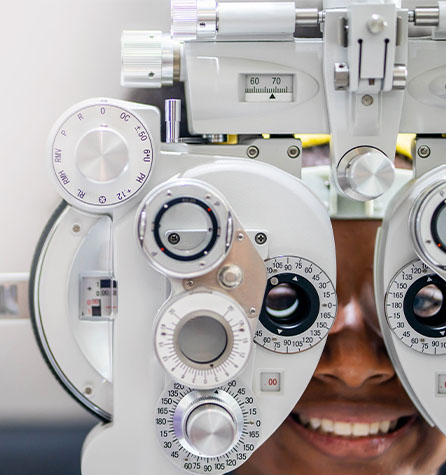

What Happens During an Eye Exam?
When you step into our modern, stylish office, you’ll be greeted by our friendly staff. If you’re a new patient, we’ll ask some questions about your health history, lifestyle, and current medications.
Comprehensive eye exams are more than just a vision test. Our questions about your health and family history help us assess your risk factors for eye diseases or other vision conditions.
During the exam, we will carefully evaluate your eyes, inside and out. We’ll also measure your visual acuity to determine if you need corrective lenses or an updated prescription.
When your exam is over, you’ll have plenty of time to browse our extensive selection of frames—try on as many as you like!
Book Your Appointment Today
Even if you think you have perfect vision, it’s still important to have regular eye exams. Eye diseases can begin with little to no symptoms, so a comprehensive exam remains the best way to assess early signs of eye disease.
Preserve your sight for years to come by booking a comprehensive eye exam today.
Book AppointmentFrequently Asked Questions About Adult & Senior Eye Exams
How often should I have an eye exam?
The American Optometric Association recommends that adults aged 18 to 64 have a comprehensive eye exam every two years, and that adults 65 and older be examined annually. Your own schedule may differ. If you have diabetes, glaucoma, high myopia, a family history of eye disease, or you wear contact lenses, we’ll likely recommend seeing you more often. We’ll set a schedule with you at your first visit.
Does Medicare cover eye exams?
Original Medicare (Part B) does not cover routine eye exams for glasses or contact lenses. It does cover certain medical eye exams: an annual diabetic retinopathy screening if you have diabetes, and glaucoma testing if you’re considered high risk. Many Medicare Advantage plans include a routine vision benefit. Coverage varies by plan, so call us at 208-785-7274 before your visit and we’ll help you understand what applies.
How much does an eye exam cost?
Cost depends on the type of exam you need and whether you’re using vision insurance, medical insurance, or paying directly. A comprehensive eye exam is priced differently than a contact lens fitting or a medical follow-up for an eye condition. Give our Blackfoot office a call and we’ll give you a clear answer before you book.
What is a refraction test?
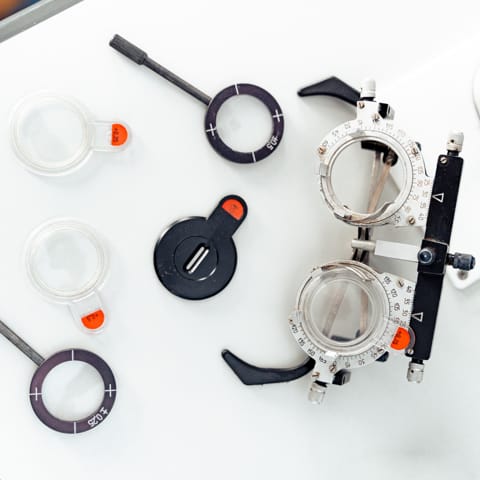
Refraction is the part of your exam that determines your exact glasses or contact lens prescription. You’ll look through a series of lens options and tell us which looks clearer. It’s painless and takes only a few minutes. Worth knowing: many medical insurance plans treat refraction as a separate, non-covered service even when the rest of the exam is covered
Will my eyes be dilated?
Often, yes. Dilating drops widen your pupil so we can examine the retina and optic nerve — the structures where glaucoma, macular degeneration, and diabetic eye disease first show up. Effects typically last four to six hours. Your near vision will be blurry and you’ll be light-sensitive, so bring sunglasses and arrange a ride if you’re not comfortable driving.
What’s the difference between a vision screening and a comprehensive eye exam?
A vision screening — the kind done at a school, a workplace, or the DMV — checks whether you can read a chart at a distance. A comprehensive eye exam evaluates the health of your eyes inside and out, measures your prescription precisely, and screens for disease. Passing a screening doesn’t mean your eyes are healthy; it means one narrow test came back normal.
Do I still need an exam if my vision seems fine?
Yes. Glaucoma, macular degeneration, and diabetic retinopathy can progress for years without noticeable symptoms, and vision lost to them usually can’t be recovered. Regular exams are how we catch these conditions while they’re still treatable. This matters more with age, which is why annual exams are recommended after 65.
What eye conditions can you detect during an exam?
We screen for cataracts, glaucoma, age-related macular degeneration, diabetic retinopathy, and dry eye disease, among others. An eye exam can also reveal early signs of systemic conditions including diabetes, high blood pressure, and high cholesterol, since the eye is the one place blood vessels can be viewed directly without surgery.
Come Visit Us
Find us just across the street from Jensen Grove Park just off North Meridian Street.

Our Address
- 720 North Meridian Street, Suite A
- Blackfoot, Idaho 83221
Contact Information
- Phone: 208-785-7274
- Text: 208-785-7274
- Email: [email protected]
Hours of Operation
- Monday: 8:00 AM – 5:00 PM
- Tuesday: 8:00 AM – 5:00 PM
- Wednesday: 9:00 AM – 5:00 PM
- Thursday: 8:00 AM – 5:00 PM
- Friday: 8:00 AM – 1:00 PM
- Saturday: Closed
- Sunday: Closed




Our Brands




Our Google Reviews




-
Bluebird Vision + Wellness
- 720 North Meridian Street, Suite A
- Blackfoot, Idaho 83221
-
P: 208-785-7274
[email protected]